Dietary modifications can substantially reduce diarrhea symptoms: Eat smaller, more frequent meals rather than large portions Reduce intake of high-fat, greasy, or fried foods, which are harder to digest with delayed gastric emptying Limit foods known to trigger diarrhea, including caffeine, alcohol, artificial sweeteners, and spicy foods Increase soluble fiber intake gradually (oats, bananas, applesauce) while avoiding excessive insoluble fiber during acute symptoms Stay well-hydrated with water and electrolyte-containing beverages Symptomatic management may include over-the-counter antidiarrheal medications such as loperamide (Imodium), though patients should consult their healthcare provider before starting these agents
Pinnell SR, Yang H, Omar M, Riviere NM, DeBuys HV, Walker LC et al (2001) Topical L-ascorbic acid: percutaneous absorption studies
Ahmed, M., Gowan, M., Azam, M., Mannan, M
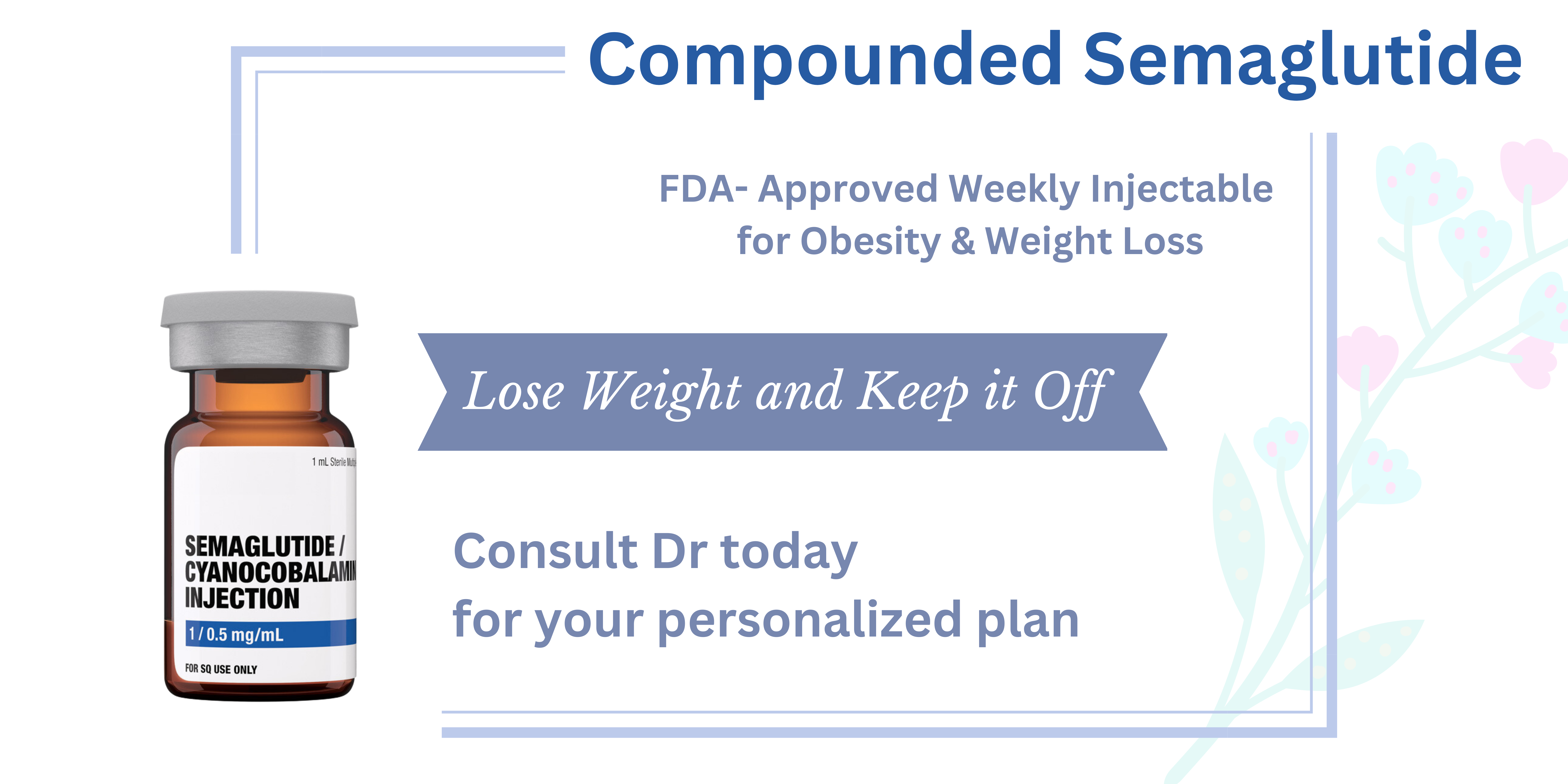
Popular GLP-1 Drugs There are several well-known glp-1 receptor agonists that can be used for weight loss and each has their own characteristics