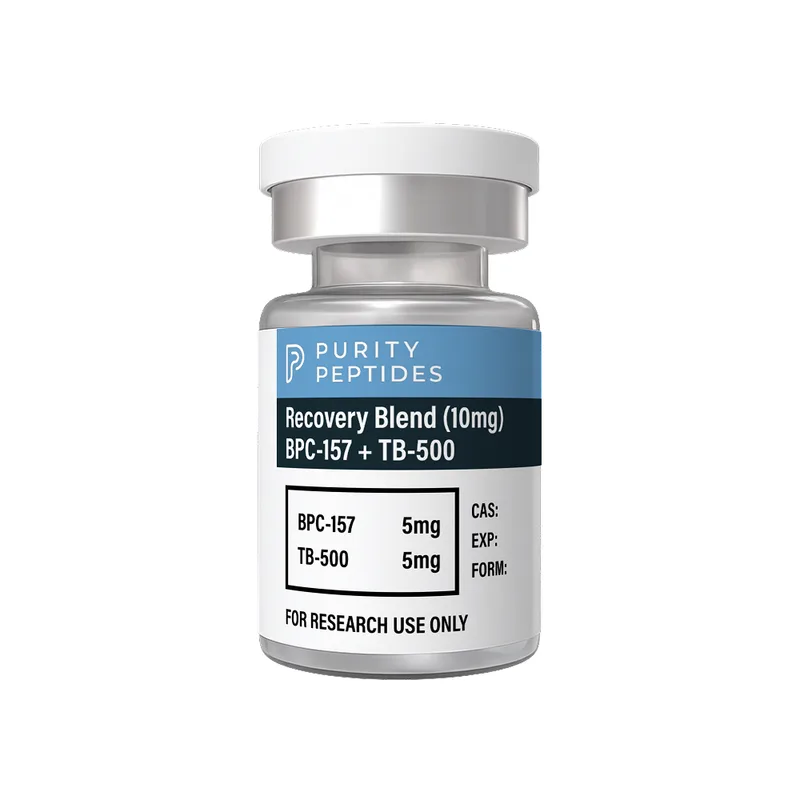
BPC-157: The Angiogenic Healer BPC-157's healing effects center on blood vessel formation and cytoprotection: VEGF Upregulation: Increases vascular endothelial growth factor, promoting new blood vessel formation to injured tissues (PMID: 27847966, PMID: 40789979) Nitric Oxide System: Modulates NO pathways, protecting tissues from oxidative damage and improving blood flow (PMID: 31158953) Growth Factor Pathways: Interacts with and functionally engages growth-factordependent cytoprotective and regenerative pathways, producing growth-factorlike effects (PMID: 11718984, PMID: 40789979) Cytoprotective: Protects cells from various toxic insults including NSAIDs, alcohol, and ischemia (PMID: 31158953) Nerve Healing: BPC-157 indirectly modulates GABAergic inhibitory control, supporting nerve regeneration (PMID: 15840402) TB-500: The Cell Migration Facilitator TB-500 is a synthetic peptide designed to mimic Thymosin -4, which is well-established in actin sequestration, cell migration, wound repair, and anti-inflammatory signaling
PMC 4042564
Blood Test (if required) In some cases, we may recommend a blood test to confirm Vitamin B12 deficiency before proceeding with the injection
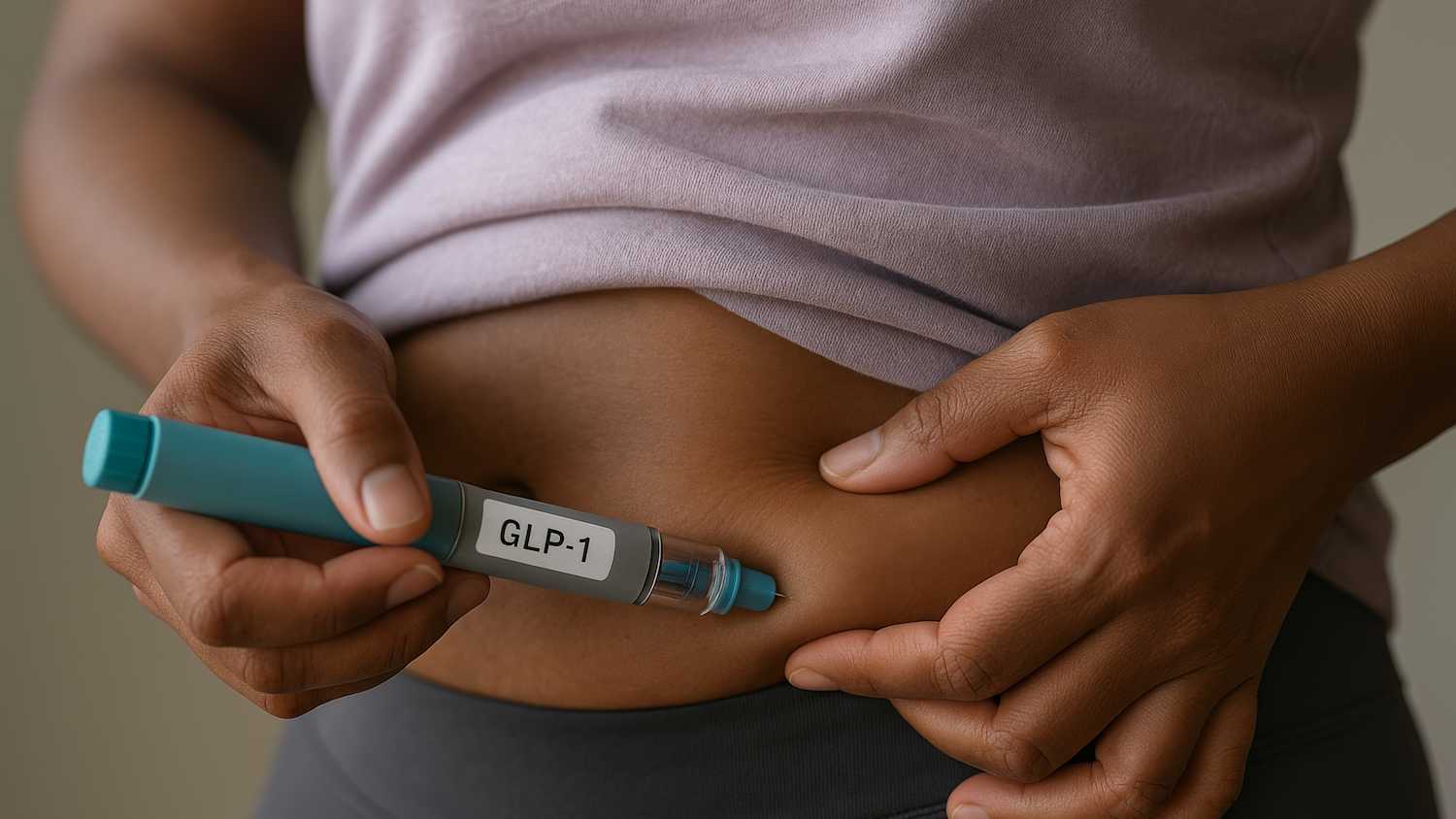
Injection Protocol Method : Subcutaneous (just under the skin) or intramuscular (near the injury site) Location : Ideally as close as possible to the affected tendon or muscle Needle size : Insulin syringe (2931G) preferred for subcutaneous delivery For systemic healing, subcutaneous injections in the abdomen can still provide benefit, but localized injections near the injury often yield faster, more targeted results