1) Lean proteins (build every meal around one) Eggs, egg whites, Greek yogurt, cottage cheese Chicken, turkey, fish, shrimp Tofu, tempeh, beans, lentils, chickpeas Protein shakes when appetite is very low (choose options that fit your clinicians guidance) 2) Fiber-rich plants (increase gradually) Berries, apples, pears Leafy greens, cucumbers, carrots, peppers Beans and lentils (start small if gas is an issue) 3) Gentle carbs for energy Oatmeal, whole-grain toast, brown rice, quinoa Potatoes or sweet potatoes Soups and stews for hydration plus calories when appetite is low 4) Easier fats in smaller amounts Olive oil, avocado, nuts, nut butters in measured portions If fat worsens your nausea, use smaller servings and spread them out
Multivariance analysis of RNA sequencing data GSE107323 RNA sequencing data GSE107323 [2] were filtered by calculating the mean gene count values for all gene IDs (all conditions)
It helps to replenish glutathione levels in the body that has been decreased by age or a state of oxidative stress
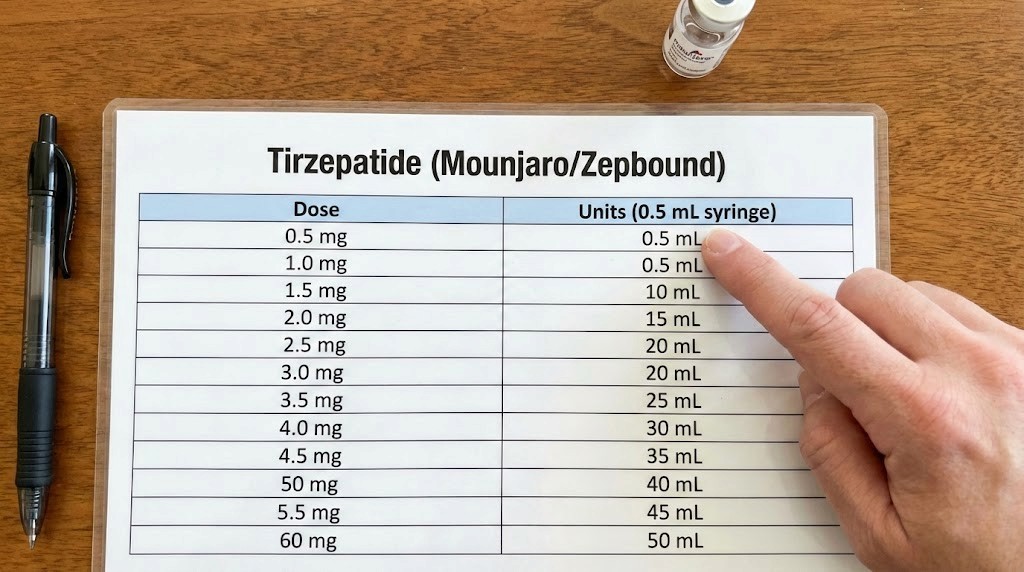
For I have 3 three questions: 1) Have you seen a way to equate dosages between oral form and subcutaneous injection to help determine what dosages correspond to each form