Introduction Introduction GHK-Cu ( glycyl-L-histidyl-L-lysine : copper ) is a naturally occurring tripeptide-copper complex commonly known as the copper peptide. First identified in the 1970s, GHK-Cu is present in human plasma, saliva, and urine and has become a major research focus for its potential roles in skin repair, hair growth, wound healing, and tissue regeneration. Preclinical and cosmetic-science studies suggest that GHK-Cu supports collagen synthesis, angiogenesis, and anti-inflammatory and antioxidant responsesmaking it one of the most widely studied peptides in regenerative biology. GHK-Cu Fast Facts Type: Naturally occurring tripeptide (Gly-His-Lys) complexed with copper (Cu) Discovered: 1973 Dr
This process protects liver cells while preventing toxin recirculation in the bloodstream (NIH)
Therefore, the increase in the trisulfide amount seemed to contribute to the strong antioxidant effect of the Si-based agent
Strategies for Targeting Glutamine Metabolism Disrupting glutamine metabolism can weaken cancer cells: Glutaminase Inhibitors (e.g., CB-839) : These drugs block glutaminase, preventing the conversion of glutamine to glutamate

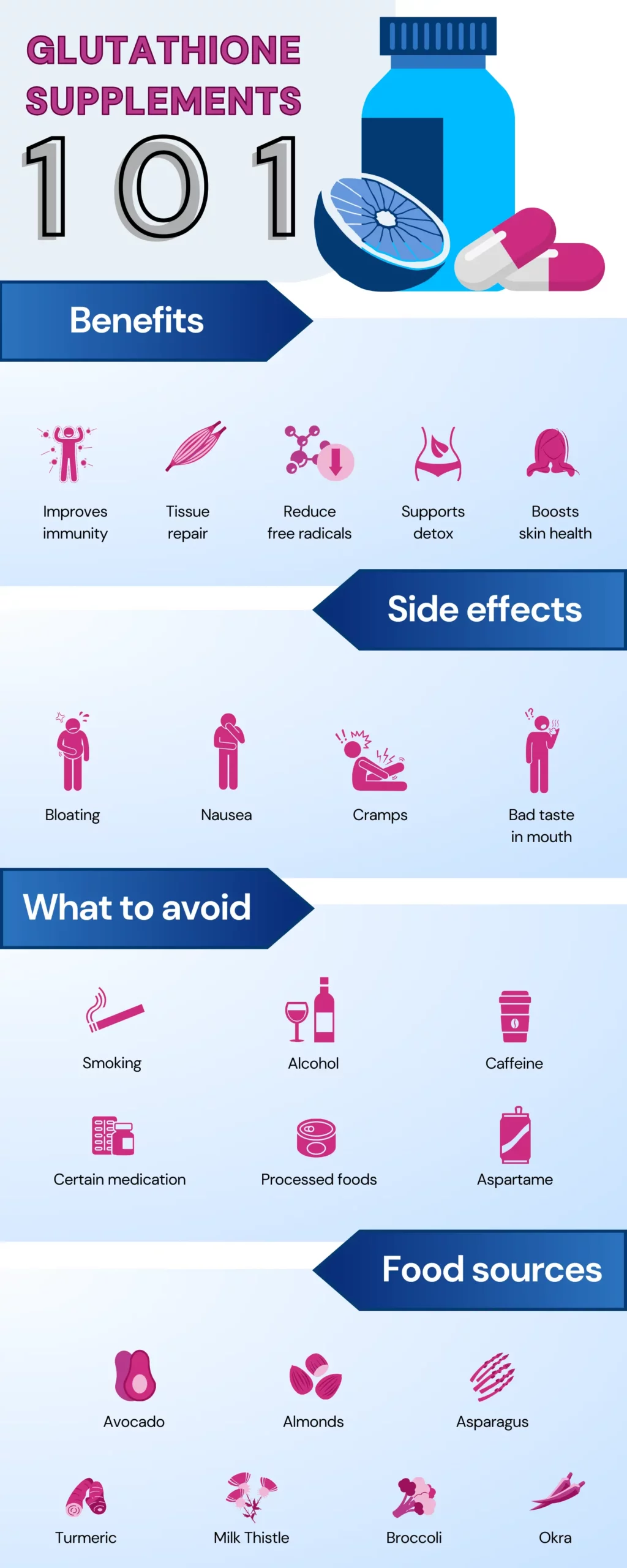
:max_bytes(150000):strip_icc()/benefits-of-glutathione-89457_final-01-502464fe91b2444285b0cccf8cb0a33c.png)