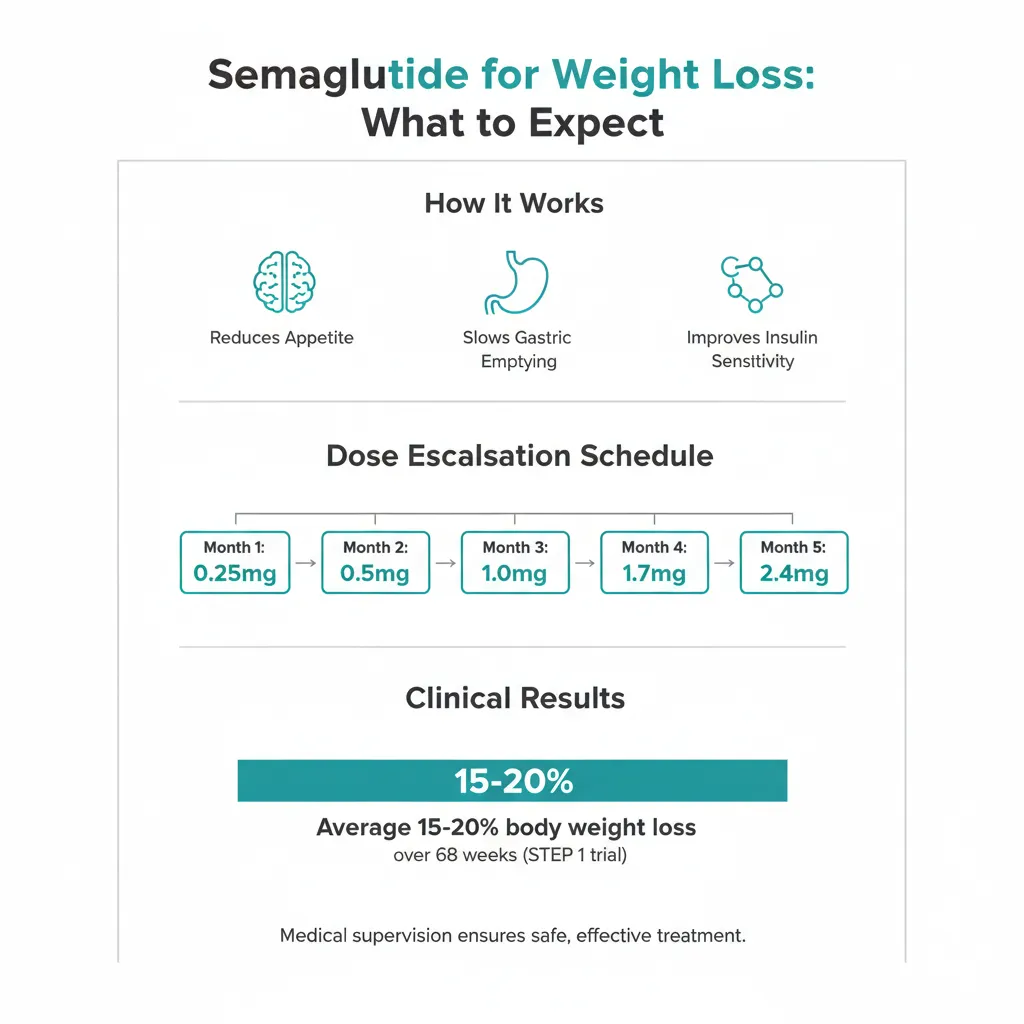
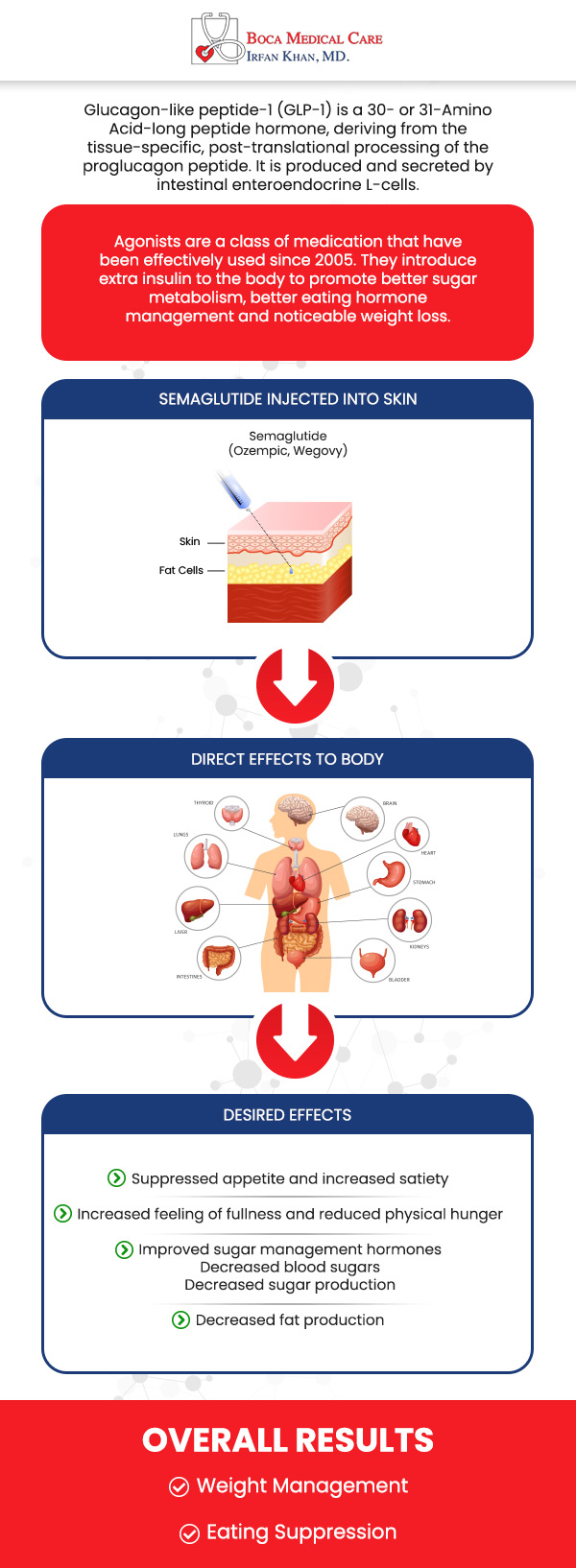
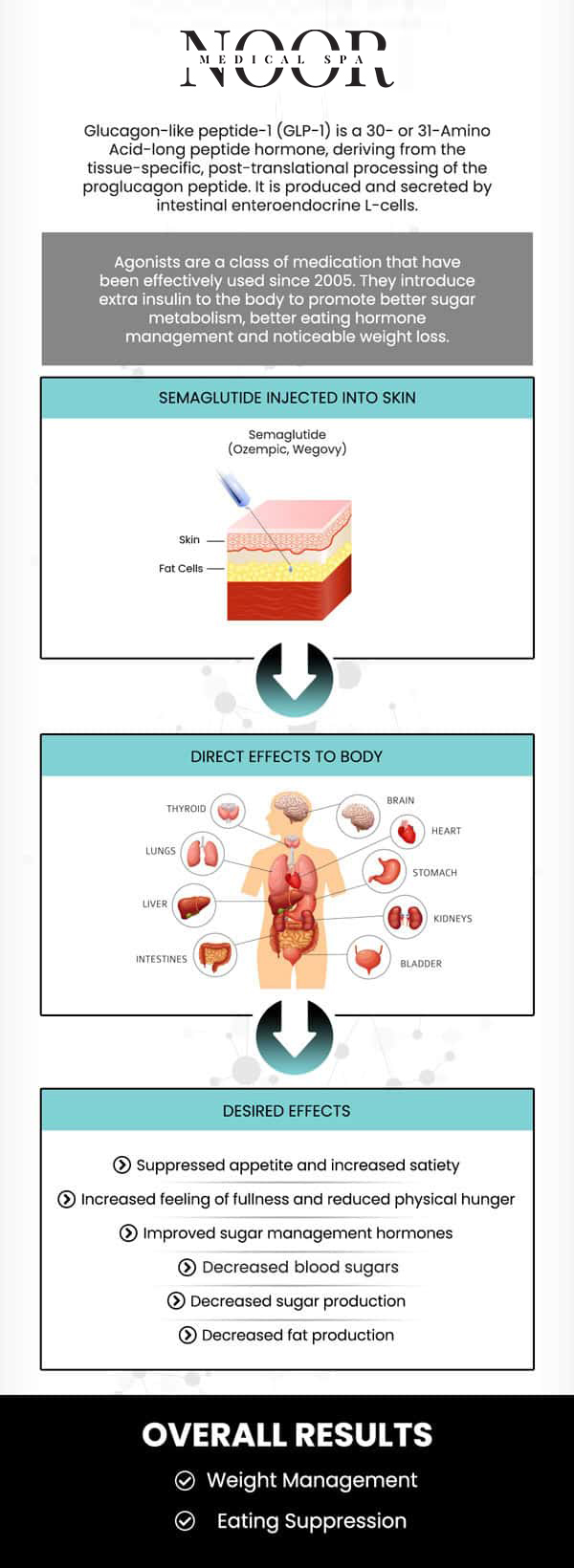
They work by stimulating insulin release, slowing stomach emptying and decreasing appetite
She's up on stage now, introducing me
Additional Monitoring May Be Considered In Research Models Involving: Significant pigmentation variability or extensive freckling Large numbers of moles or atypical pigmentation-related findings UV-response variability and dermatological sensitivity Cardiovascular or significant cardiometabolic conditions Mood-related, psychiatric, or neuroendocrine conditions Neurological sensitivity or chronic migraines Hormonal or melanocortin-related research models Multiple concurrent melanocortin, neuroregulatory, or stimulant-related compounds Avoid or Carefully Evaluate in Research Models With: Known hypersensitivity to peptide compounds Active melanoma or suspicious pigmentation-related findings Severe uncontrolled cardiovascular disease Severe uncontrolled mood-related, psychiatric, or neurological conditions Active severe systemic illness Pregnancy or breastfeeding contexts Additional Research Considerations Because Melanotan II may influence melanocortin, pigmentation-related, and neuroendocrine signaling pathways, research protocols may warrant monitoring of: Pigmentation and melanogenesis-response variability Pigmentation variability involving freckles, moles, or existing pigmentation UV-response variability and dermatological sensitivity Appetite-, mood-, or neuroregulatory-response patterns Overall individual tolerance and pigmentation-response variability Combination protocols involving melanocortin-related, neuroregulatory, or pigmentation-focused compounds may further influence pigmentation and neuroendocrine response pathways
They promote pathogenic organisms and, thus, provoke diarrhea and wet litter