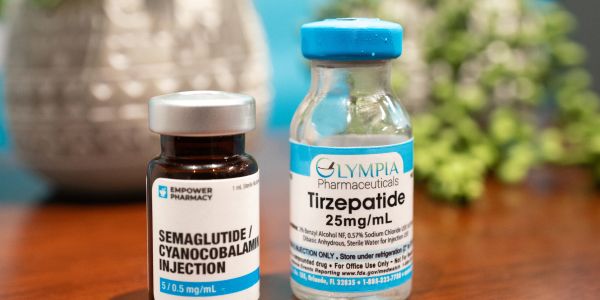
The medication may simultaneously slow food transit and increase the bacterial population responsible for sulfur gas production

The CD98 transporter system (SLC7A5/SLC3A2) mediates the entry of leucine and other BCAAs into cells, which can drive mTORC1 activation and enhance glycolytic metabolism, thereby promoting the expression of pro-inflammatory genes such as IL-1, TNF-, and C-X-C motif chemokine ligand 10 (CXCL10) (33), sustained BCAA influx may amplify pro-inflammatory phenotypes through the cascade of nutrient sensing-metabolic reprogramming-transcriptional activation. In addition, BCAA metabolism, particularly leucine, can regulate macrophage inflammatory states through the mTORC1-liver X receptor (LXR) pathway ( Overall, the role of BCAA metabolism in macrophage polarization is more appropriately defined as an integrative module of nutrient sensing and energy metabolism, and its biological output is jointly influenced by dose, metabolic state, inflammatory stage, and the tissue microenvironment

Although animal products contain many essential nutrients, it is difficult to meet recommended intakes eating animal products alone (O'Hearn, 2020)
Raziya Banu M, Ibrahim M, Prabhu K, Rajasankar S


.png)